
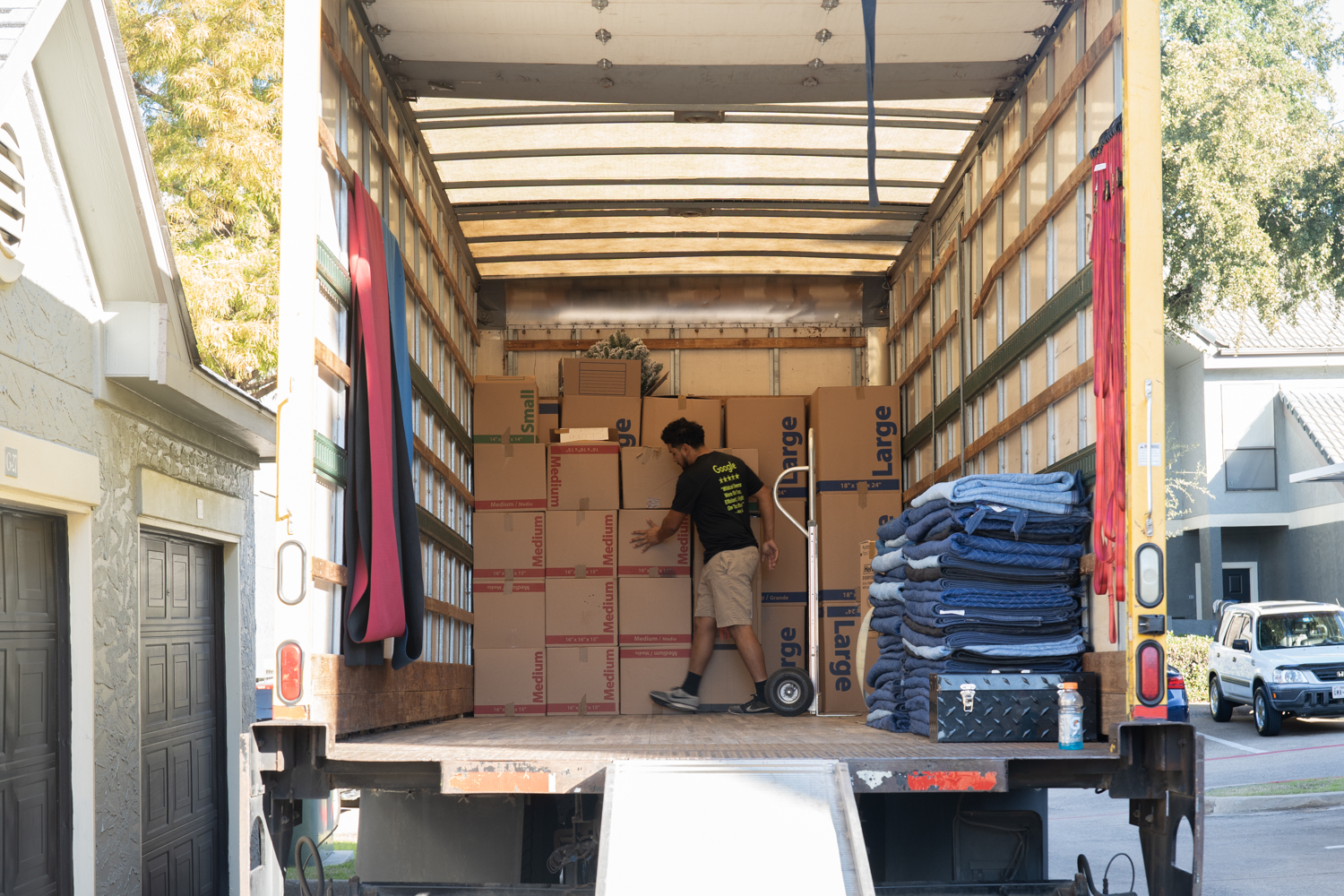
India’s logistics industry is at the brink of a revolutionary transformation. As one of the primary drivers of economic growth, the sector contributes nearly 14% to the country’s GDP and supports over 22 million jobs. Now, with rapid advancements in digital infrastructure, manufacturing, and e-commerce, the future of logistics in India is being reshaped by three key pillars: technology, sustainability, and employment opportunity.
Technological innovations are at the forefront of this shift. Logistics is no longer just about moving goods—it’s about moving them smarter and faster. The integration of Artificial Intelligence (AI), Machine Learning (ML), and the Internet of Things (IoT) is enabling logistics firms to enhance operational precision. AI-powered route optimization, predictive analytics, real-time cargo tracking, and automated warehouses are all improving efficiency, reducing transit times, and elevating customer satisfaction.
Parallelly, sustainability is becoming a core business priority. Amid rising environmental concerns and policy support, logistics providers are transitioning to eco-friendly practices. The adoption of electric vehicles, biodegradable packaging, and improved waste management systems is helping reduce the sector’s carbon footprint
This evolution brings with it a surge in employment. The Indian logistics sector is projected to create over 10 million new jobs by 2027. Roles will span from high-skilled positions in data analytics, automation, and AI, to essential functions such as warehouse management, freight planning, and last-mile delivery.
At the forefront of this transformation is AJ Roadlink. With over three decades of experience, we bridge key industrial hubs like Siliguri and Nepal with major metros across India. Our commitment to tailored solutions, cost-effective transport, and end-to-end packers and movers services ensures that we deliver not just goods—but also trust, efficiency, and value—mile after mile.